DIY A/C Repair: 5 Essential Steps to Fix Your Cooling System Today

Save Money and Stay Cool This Season
DIY A/C Repair: 5 Essential Steps to Fix Your Cooling System
When to DIY and When to Call the Professionals
Turn Off Power and Evaluate Your System
Before touching any component of your cooling system, safety must be your top priority. Locate your electrical panel and switch off the breaker dedicated to your air conditioning unit. This simple action prevents electrical shock and protects both you and your system from potential damage during inspection.
Once power is safely disconnected, take time to observe your system’s current state. Walk to your outdoor condenser unit and look for obvious signs of trouble such as ice buildup on the refrigerant lines, unusual debris blocking the unit, or visible damage to the fan blades. Inside your home, check the thermostat settings to confirm it’s set to cooling mode and the temperature is lower than the current room temperature.
In Show Low’s high-altitude climate, where summer temperatures can swing dramatically between day and night, your cooling system works harder than units in more temperate regions. This increased workload makes regular assessment even more valuable. Look at your air filter and note its condition. A clogged filter is one of the most common culprits behind cooling performance issues and can often be resolved without any tools whatsoever.
Document what you observe during this initial assessment. Take photos of any concerning areas, note unusual sounds you heard before shutdown, and write down when you first noticed the problem. This information becomes invaluable if you eventually need to consult with professionals who understand the unique demands placed on cooling systems in Arizona’s White Mountains region.
Restore Airflow with a Fresh Filter
The air filter serves as your cooling system’s first line of defense against dust, pollen, and debris. When this filter becomes clogged, airflow restriction forces your system to work significantly harder, reducing efficiency and cooling capacity. Fortunately, addressing this issue ranks among the simplest maintenance tasks any homeowner can perform.
Locate your air filter, which typically sits in the return air duct or inside the air handler unit itself. Most residential systems use filters sized between 16×20 inches and 20×25 inches, though your specific dimensions may vary. Slide the old filter out carefully, noting the direction of the airflow arrows printed on the frame. These arrows must point toward the blower motor when you install the replacement.
Hold the used filter up to a light source. If you cannot see light passing through easily, the filter has outlived its usefulness. During Show Low’s pollen-heavy spring months and the dusty monsoon season, filters often need replacement every 30 to 45 days rather than the standard 90-day interval. The fine dust that characterizes our region’s soil composition can clog filters more rapidly than in other areas.
Install your new filter with the airflow arrows pointing in the correct direction, ensuring it fits snugly in the slot without gaps around the edges. Air that bypasses the filter carries contaminants directly into your system’s components, reducing efficiency and potentially causing damage over time. After installation, restore power to your system and monitor performance for the next few hours.
Remove Debris for Better Heat Exchange
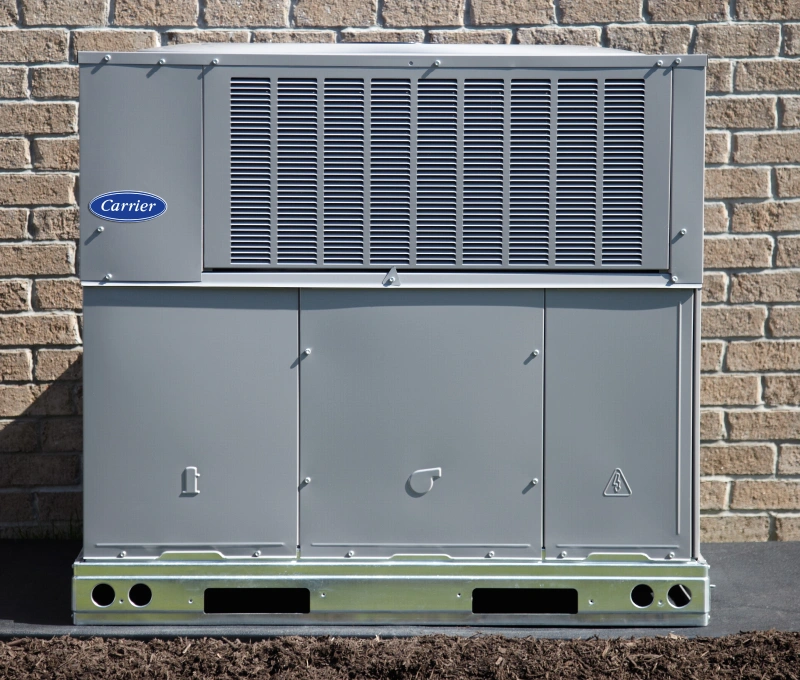
Your outdoor condenser unit must expel the heat it removes from your home’s interior. When debris accumulates around the unit, this heat exchange process becomes compromised, forcing your system to run longer cycles while delivering less cooling. Regular cleaning of this component directly impacts your system’s efficiency and longevity.
Begin by inspecting the area within two feet of your condenser unit. Remove leaves, pine needles, grass clippings, and any other organic material that has accumulated. In forested areas around Show Low, pine needles and fallen leaves can quickly build up around outdoor units, especially during autumn when Ponderosa pines shed heavily. This debris blocks airflow and can even get pulled into the unit itself.
Examine the condenser fins, the thin metal blades that run vertically around the unit’s exterior. These delicate fins bend easily, and bent fins restrict airflow just as effectively as debris buildup. If you notice bent fins, you can purchase an inexpensive fin comb from any hardware store. Gently straighten the fins by running the appropriately sized comb through them, working carefully to avoid causing additional damage.
Use a garden hose with a spray nozzle to clean the fins from the inside out. Spray gently from inside the unit toward the exterior, pushing dirt and debris outward rather than deeper into the coil. Avoid using a pressure washer, as the intense force can bend fins or damage other components. After cleaning, trim back any vegetation that has grown within two feet of the unit to maintain proper airflow clearance.
Prevent Water Damage with Proper Drainage
As your cooling system removes heat from indoor air, it also extracts moisture through the condensation process. This water must drain away properly through the condensate drain line. When this line becomes clogged, water backs up and can cause system shutdown, water damage, or create conditions favorable for mold growth.
Locate the condensate drain line, typically a PVC pipe that exits near your indoor air handler and runs to the exterior of your home or into a floor drain. Find the access point, usually a T-shaped vent with a removable cap. Remove this cap and inspect inside with a flashlight. You may see standing water or sludge buildup if the line has become partially clogged.
Pour a cup of distilled white vinegar into the drain line access point. This natural cleaning solution helps dissolve the algae and biofilm that commonly accumulate inside drain lines. Allow the vinegar to sit for 30 minutes, then flush the line with a cup of water. You can also use a wet/dry vacuum at the exterior drain outlet to suction out clogs, though this requires creating a tight seal around the pipe opening.
In Arizona’s dry climate, condensate lines may not flow as regularly as they do in humid regions, which can actually increase the likelihood of buildup when the system does produce condensation. Consider performing this maintenance monthly during cooling season to prevent clogs from forming. If water does not drain freely after your cleaning attempts, or if you notice water pooling around your indoor unit, professional service may be necessary to address a more severe blockage.
Verify Performance and Know Your Limits
After completing your maintenance tasks, restore power to your cooling system and conduct a thorough performance test. Set your thermostat three to five degrees below the current room temperature and switch it to cooling mode. Within a few minutes, you should hear the outdoor condenser unit activate and feel cool air beginning to flow from your registers.
Monitor the system for at least 15 to 20 minutes. Place your hand near a supply register and verify that the air feels noticeably cool. Check that all registers throughout your home are delivering airflow. Temperature differences between rooms are normal, but complete absence of airflow to certain areas may indicate ductwork issues that require professional attention.
Listen carefully to the sounds your system makes during operation. Normal sounds include a gentle hum from the blower motor and a low-frequency vibration from the compressor. Concerning sounds include loud banging, high-pitched squealing, grinding noises, or clicking that repeats continuously. These sounds often indicate mechanical problems with motors, bearings, or electrical components that fall outside the scope of basic homeowner maintenance.
While these five steps address the most common cooling issues that homeowners can safely resolve, some problems require specialized knowledge, tools, and refrigerant handling certification. If your system still fails to cool adequately after performing these steps, or if you encounter refrigerant leaks, electrical problems, or mechanical component failures, it’s time to contact qualified professionals. Mogollon Mechanical brings decades of experience serving the unique needs of homes and businesses throughout the White Mountains. Our technicians understand how altitude, temperature extremes, and regional environmental factors affect cooling system performance. We provide honest assessments, transparent pricing, and reliable repairs that keep your family comfortable through every Arizona summer. When DIY efforts reach their natural limits, trust our team to deliver the professional solutions your system needs.